
Hidden Water Damage Problems Explained
Unseen moisture intrusion can be detrimental to both the structural integrity of a home and the health of its occupants. This article explores the lesser-known aspects of moisture accumulation, helping you identify and mitigate issues before they escalate. Hidden moisture intrusion is not immediately apparent, but it can cause significant destruction over time, leading to costly repairs and health issues. Homeowners need to understand these hidden complexities to protect their properties effectively. Engaging a professional commercial mold remediation company expert early can prevent minor leaks from evolving into extensive structural hazards.
Identifying Primary Moisture Sources
Numerous factors can lead to unseen moisture accumulation in a building, including faulty plumbing, poor drainage, roof leaks, and inadequate waterproofing. Plumbing issues like leaks in pipes that run inside walls or under floors can be particularly elusive and may not manifest until significant damage has occurred. Poor drainage systems and gutter clogs divert water into areas where it can quietly seep into the structure. Additionally, environmental conditions such as heavy rainfall and flooding increase the risk of water penetrating undetected spaces. Awareness of these potential causes is the first step in preventing serious structural decay.
Evaluating Hidden Moisture Dynamics
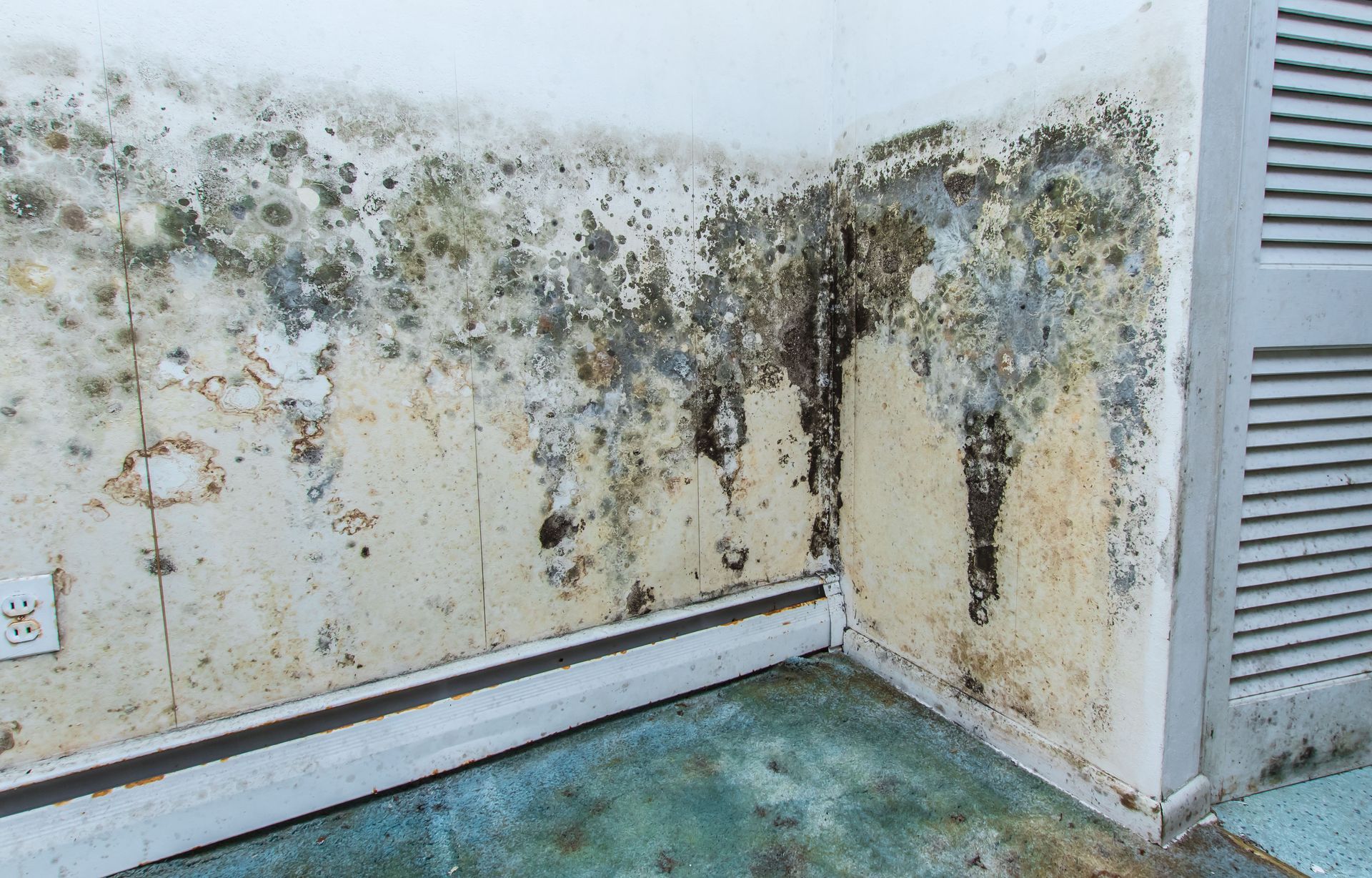
Visible water damage typically presents clear indicators like water stains, discoloration, or damp spots that are detectable through sight and touch. In contrast, hidden moisture damage remains concealed in areas not easily inspected, such as behind drywall or under subflooring. This distinction makes hidden moisture particularly dangerous as it can escalate into severe material degradation without presenting immediate symptoms. According to the U.S. Environmental Protection Agency (EPA), over one-fifth of the nearly 22 million asthma cases in the United States are tied to home dampness and mold growth. Structural components can weaken under continuous water exposure, leading to safety hazards. Prompt commercial mold remediation company services are vital to stopping long-term structural decay before it becomes an insurmountable hurdle.
Recognizing Visible Wall Distortions
Hidden water damage often manifests in subtle changes to building materials such as flooring and walls. Warped or buckling floorboards can indicate prolonged exposure to moisture from an unknown source. Similarly, walls that display unusual swelling, cracking, or peeling paint may signal hidden water accumulation that compromises their integrity. Such changes often occur in areas with improperly managed plumbing or inadequate moisture barriers. Early identification of these physical signs enables timely repair efforts to mitigate further degradation and associated financial costs.
Monitoring Operational Utility Costs
Unexpected increases in water usage shown on utility bills can hint at hidden leaks within a building's infrastructure. While an occasional consumption spike might be normal, consistently high bills suggest continuous water wastage occurring undetected inside walls or beneath slabs. Property owners should assess their plumbing systems for hidden leaks whenever these billing discrepancies arise. Addressing these leaks reduces utility costs while preventing further decay associated with unchecked water flow. Scheduling a commercial mold remediation company for evaluation helps confirm the location of leaks before structural integrity is severely compromised.
Addressing Compromised Electrical Systems
Water intrusion can infiltrate electrical systems, leading to potential fire hazards and complete power failures. Signs of compromised electrical systems due to moisture include flickering lights, blown fuses, or malfunctioning outlets. Even minimal water exposure can result in severe safety risks, necessitating comprehensive inspections when any irregularities are noticed. Ensuring the integrity of electrical systems is critical to prevent hazards and minimize repair costs. Periodic evaluations by certified technicians can detect and address hidden water effects on electrical infrastructure before they escalate.
Mitigating Health Risks Proactively
Beyond respiratory problems, mold from hidden water damage can trigger allergic reactions, leading to symptoms like skin rashes, nasal congestion, and eye irritation. These responses occur when individuals come into contact with spores contaminating the air and surrounding surfaces. For people with compromised immune systems, mold exposure can escalate into more severe complications. By tackling moisture buildup and conducting regular inspections, property owners can reduce the likelihood of mold-triggered allergies. Maintaining a clean indoor environment supports overall well-being for all occupants.
Securing Indoor Environmental Quality
Hidden water damage can occasionally expose occupants to contaminated water sources, particularly if the root cause involves sewer backups or unsanitary runoff. Such exposure carries the danger of bacterial infections, potentially leading to serious health complications if left unaddressed. Quick identification and response to contaminated water sources are essential to reduce health risks and maintain a safe environment. Implementing adequate waterproofing and plumbing systems ensures the containment of water within regulated spaces. Prioritizing safe water management effectively guards against threats posed by unsanitary intrusion.
Executing Swift Repair Interventions
Responding swiftly to visible leaks halts the progress of hidden water damage, minimizing its spread and overall impact. Even minor leaks, if left unchecked, risk migrating into less accessible structures where damage proliferates unnoticed. Addressing leaks immediately ensures that corrective measures are in place, preventing moisture from compromising structural framing. Involving professional repair services ensures that solutions are correctly applied, eradicating the source of water intrusion. A rapid response strategy is crucial for maintaining structural integrity and fostering a proactive maintenance culture.
Leveraging Advanced Diagnostic Tools
Infrared technology serves as a cutting-edge method for detecting hidden water damage, utilizing thermal imaging to reveal temperature variations caused by moisture. This technique allows inspectors to view beyond physical barriers such as drywall and flooring, detecting water presence non-intrusively. Deviations in thermal patterns highlight regions where water collects, enabling technicians to target elusive leaks with precision. Through infrared assessments, evaluations occur with minimal disruption while delivering detailed diagnostic reports. Utilizing commercial mold remediation technology like thermal imaging advances detection accuracy for complex properties.
Applying Balanced Restoration Measures
For minor water damage concerns, property managers can often employ basic maintenance fixes to alleviate immediate issues before they escalate. Simple measures such as resealing exterior joints, applying waterproof coatings, or adjusting humidity controls provide effective preventive solutions. With proper guidance, minor repairs manage surface-level concerns without requiring intensive structural overhauls. However, caution is essential to avoid underestimating the scale of concealed moisture damage. Regular monitoring allows property owners to differentiate between basic fixes and situations requiring specialized restoration services.
Navigating Property Insurance Coverage
Insurance plays a pivotal role in mitigating water damage by providing financial support to recover from unforeseen incidents. However, coverage specifics vary between policies, with some extending protection to sudden pipe bursts while excluding gradual leaks or maintenance neglect. Understanding the scope of coverage ensures property owners can navigate claims with clarity, maximizing their available policy benefits. Reviewing policy terms with insurance advisors illuminates comprehensive protections and highlights potential exclusions. Awareness of insurance provisions shields against unexpected financial strain while supporting proactive property maintenance.
Optimizing Claims and Safety Protocol
Insurance adjusters assess water damage claims to validate the extent of coverage and determine appropriate settlement values based on policy agreements. Active cooperation during assessments, providing access to affected zones and requisite documentation, ensures fair evaluations and prompt reparations. Transparent communication regarding repair estimates aligns adjuster contributions with property restoration needs. Mutual understanding and informed negotiations promote equitable claim outcomes, fostering positive working relationships with insurers. A collaborative partnership with adjusters secures swift support for damage recovery and effective mitigation results.
Proactively managing water damage risks aligns with preventative insurance measures designed to minimize claim requirements and maximize building resilience. Policies often reward risk reduction efforts, such as installing smart leak detection systems or adopting routine inspection schedules. Such preventive strategies cultivate advantageous insurance conditions like reduced premiums or deductible adjustments, incentivizing long-term protective actions. For complete environmental safety and comprehensive restoration services, partner with Consolidated Environmental Inc.


Share On: